 Automotive Fuel Pump & Thermal Management
Gas springs, also known as gas pistons, gas rams, or gas struts, are complex compressed springs that store mechanical energy using pneumatic force. Structurally, they consist of a sealed piston filled with high-pressure gas. Depending on the internal gas pressure, gas springs can be designed to counteract different levels of external force.
Unlike traditional mechanical springs that store potential energy through elastic deformation, gas springs operate through pressure dynamics. When subjected to axial force, the piston compresses the internal gas, increasing the pressure inside the cylinder and storing energy in the form of compressed gas potential. Once the external force is released, the internal pressure drives the piston outward, converting stored energy into pushing force during the extension process.
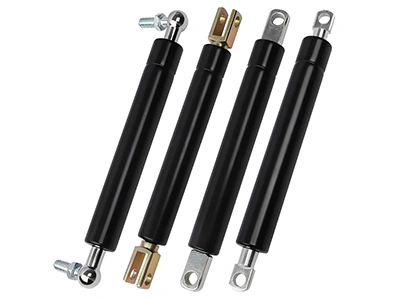
Saiensi specializes in the research, development, and manufacturing of gas springs and industrial elastic support components. With advanced design capability and a complete production system, Saiensi provides customized solutions based on specific operating conditions.
Learn More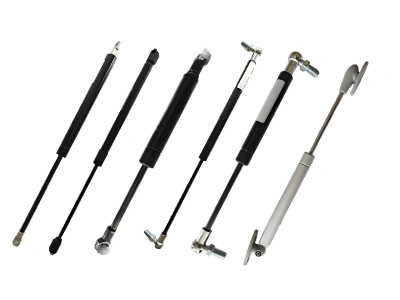
Compression gas springs from Saiensi deliver stable support and damping performance across automotive, machinery, furniture, and industrial automation applications. Designed for versatility and precision, these products can be fully customized to meet specific requirements in load capacity, stroke length, and installation configuration, ensuring reliable operation under diverse working conditions.
Learn More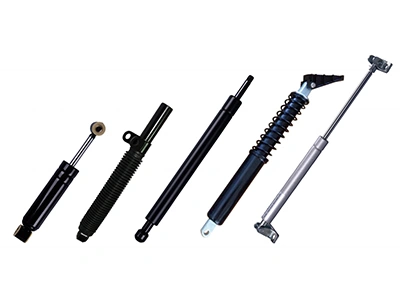
The working principle of damped gas springs is based on the compressibility of gas or an oil-gas mixture sealed within a closed cylinder. When a pressure difference forms inside the chamber, it drives the piston to move, providing both cushioning and stabilizing effects.
Learn More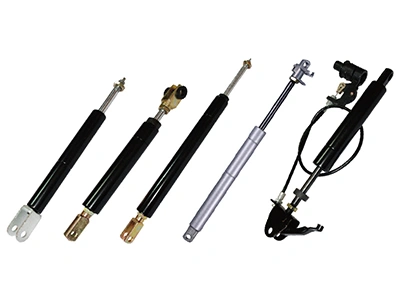
Lockable gas springs are specially designed gas springs that can be locked at any position along their stroke, allowing precise control of motion and positioning. These gas springs are widely applied in machinery, automotive, aerospace, medical, and architectural fields.
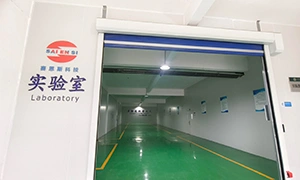
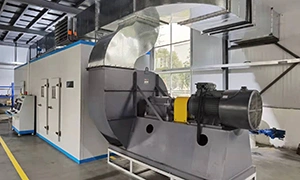
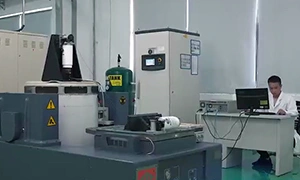
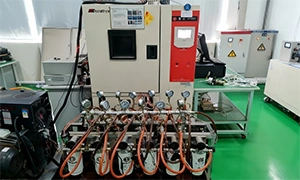
Learn MoreSupported by an elite R&D team and advanced laboratory facilities, we provide reliable product development, testing, and technological innovation capabilities
What key factors do automotive OEMs consider when sourcing gas springs for doors and tailgates?
They focus on precise opening/closing force matching, fatigue life (≥100,000 cycles), anti-rust and corrosion resistance, and compliance with automotive quality standards such as IATF 16949.
How can gas springs maintain performance under extreme temperatures?
Products must pass temperature endurance tests from –40°C to +80°C, with verified nitrogen charge stability and long-term weather resistance testing.
What are the core requirements of furniture manufacturers for gas springs used in cabinets or lift tables?
Smooth and silent operation, fine surface finishing, easy installation, and multiple thrust options to suit different structural needs.
What do railway and heavy truck manufacturers prioritize when selecting gas springs?
Reliable operation in –40°C cold environments, strong impact and vibration resistance, as well as long-term durability testing and third-party certification.
What are the main concerns of aftermarket distributors when purchasing gas springs?
A wide model range, sufficient inventory, fast delivery, stable batch quality, clear warranty terms, and convenient after-sales service.