 Automotive Fuel Pump & Thermal Management
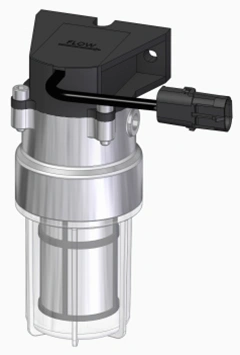
Electric Fuel Transfer Pump
Brushless fuel pumps designed for diesel and gasoline transferring in vehicles, heavy-duty trucks, agricultural and construction machinery
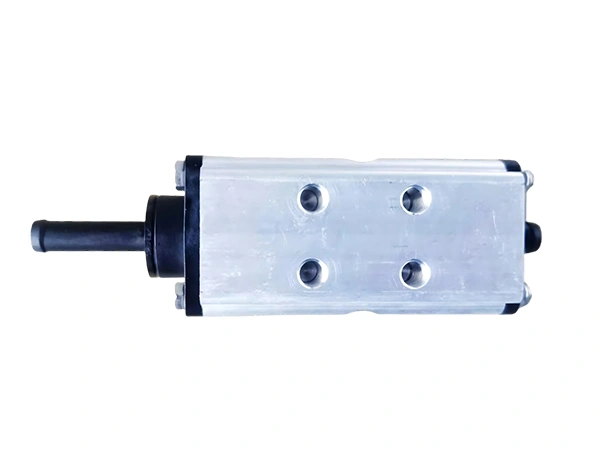


- Operating Voltage Range: 12V (8–16V), 24V (16–32V)
- Maximum Operating Pressure: 80 ± 10 kPa, 200 ± 30 kPa
- Material: ADC12 Aluminum Alloy
Saiensi specializes in the research, development, and manufacturing of core components for fuel and new energy power systems. The electric fuel transfer pump, part of the brushless electronic fuel pump product series, is one of the company’s key products. The pump features a lightweight structure, compact size, and flexible installation.
Saiensi holds independent intellectual property rights and provides customized product development. Similar products developed for clients in South Korea and the United States have entered mass production and are supplied both domestically and internationally.
The electric fuel transfer pump’s lightweight design and compact size allow flexible installation on the engine or within the vehicle. The pump includes a fuel delivery and air discharge function, designed for diesel engine low-pressure fuel supply systems to ensure smooth fuel flow throughout the circuit.
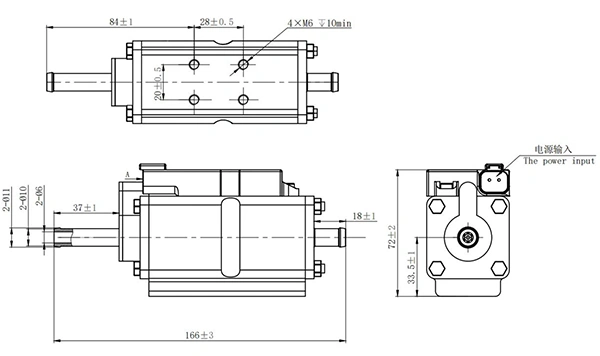
| Voltage | 12V/24V |
| Pressure | 82.5±7.5kPa/200±30kPa |
| Fuel Pipe Thread Interface | M14/M16/M18 |
| Operating Time | 3 min / ECU controlled |
| Operating Temperature | -40℃~105℃ |
| Cleanliness Limit | Contaminant weight < 9 mg; particle size < 0.6 mm |
| Protection Grade | IP67 |
| Fuel Flow Rate | 200 L/h |
Customized designs can be developed according to user requirements, including product appearance, materials, voltage, flow rate, pressure, and interface type.
- For passenger cars and light-duty vehicles, use an in-tank brushless fuel pump that provides low noise and a long service life.
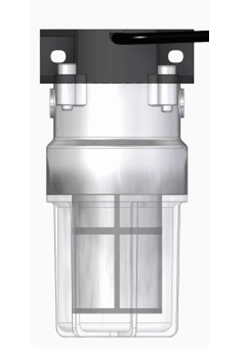
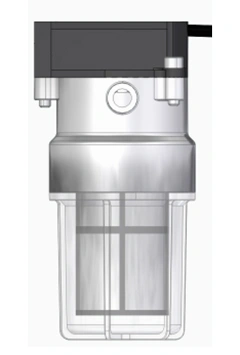
- For heavy-duty trucks, construction equipment, and agricultural machinery, select an external in-line pump that offers easy maintenance and high durability.
- For marine engines and generator sets, choose a high-pressure pump designed for continuous operation to ensure stable fuel delivery.
- For diesel engines, select a pump with integrated fuel preheating or cold-weather protection to prevent fuel gelling at low temperatures.
- For gasoline, methanol, or alternative fuels, confirm that the materials are corrosion-resistant and compatible with the selected fuel.
- For standard fuel transfer needs, a brushed pump provides a reliable and cost-efficient solution.
- For applications requiring high reliability and intelligent control, a brushless pump supports CAN, LIN, and ECU interfaces, allowing integration with smart control systems.
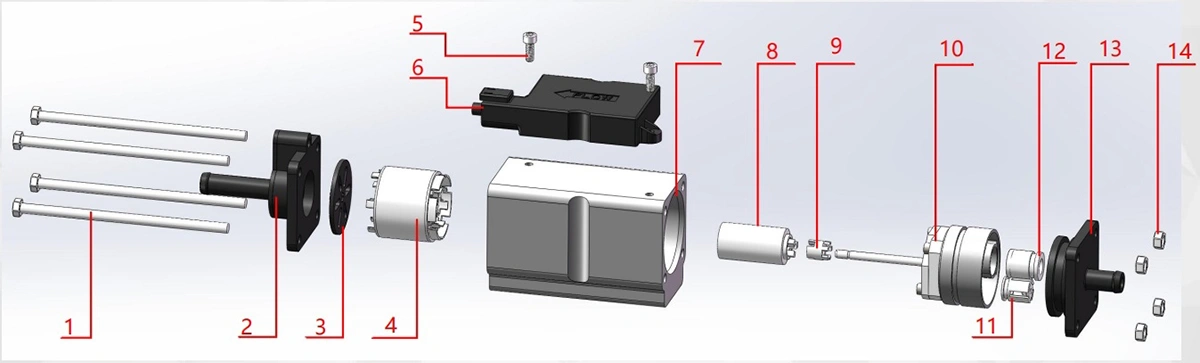
- 1. bolts
- 2. outlet end cover
- 3. positioning plate
- 4. stator coil bolt
- 5. bolt
- 6. electronic control module
- 7. housing
- 8. rotor
- 9. coupling
- 10. roller pump
- 11. pressure relief valve
- 12. bypass valve
- 13. inlet end cover
- 14. nut
-
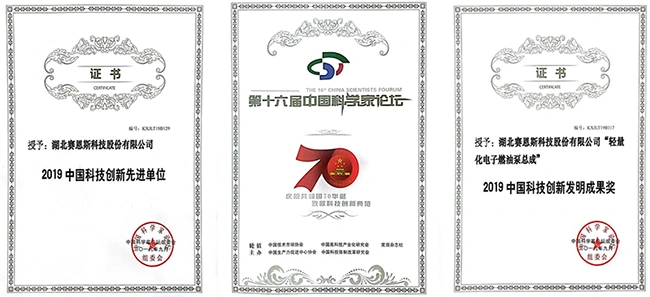
As a trusted enterprise in China’s brushless electronic fuel pump segment, Sains Technology developed the “Lightweight Electronic Fuel Pump Assembly,” which received the 2019 China Technological Innovation and Invention Achievement Award. Compared with conventional pumps, power consumption is reduced by 30%, and service life is extended by 50%, helping OEMs reduce costs and improving end-user efficiency and reliability.
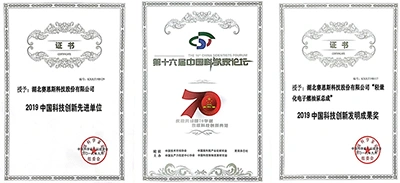
- Customized versions of this product have been developed for major clients in South Korea and the United States, with mass production and export to multiple markets worldwide.
What are the advantages of using the electric fuel transfer pump in low-pressure diesel supply systems?
The electric fuel transfer pump integrates fuel delivery and air discharge functions to ensure smooth flow in the low-pressure circuit. Compared with conventional pumps, power consumption is reduced by 30%, and service life is extended by 50%, providing OEMs with cost efficiency and end users with lower maintenance costs and stable operation.